
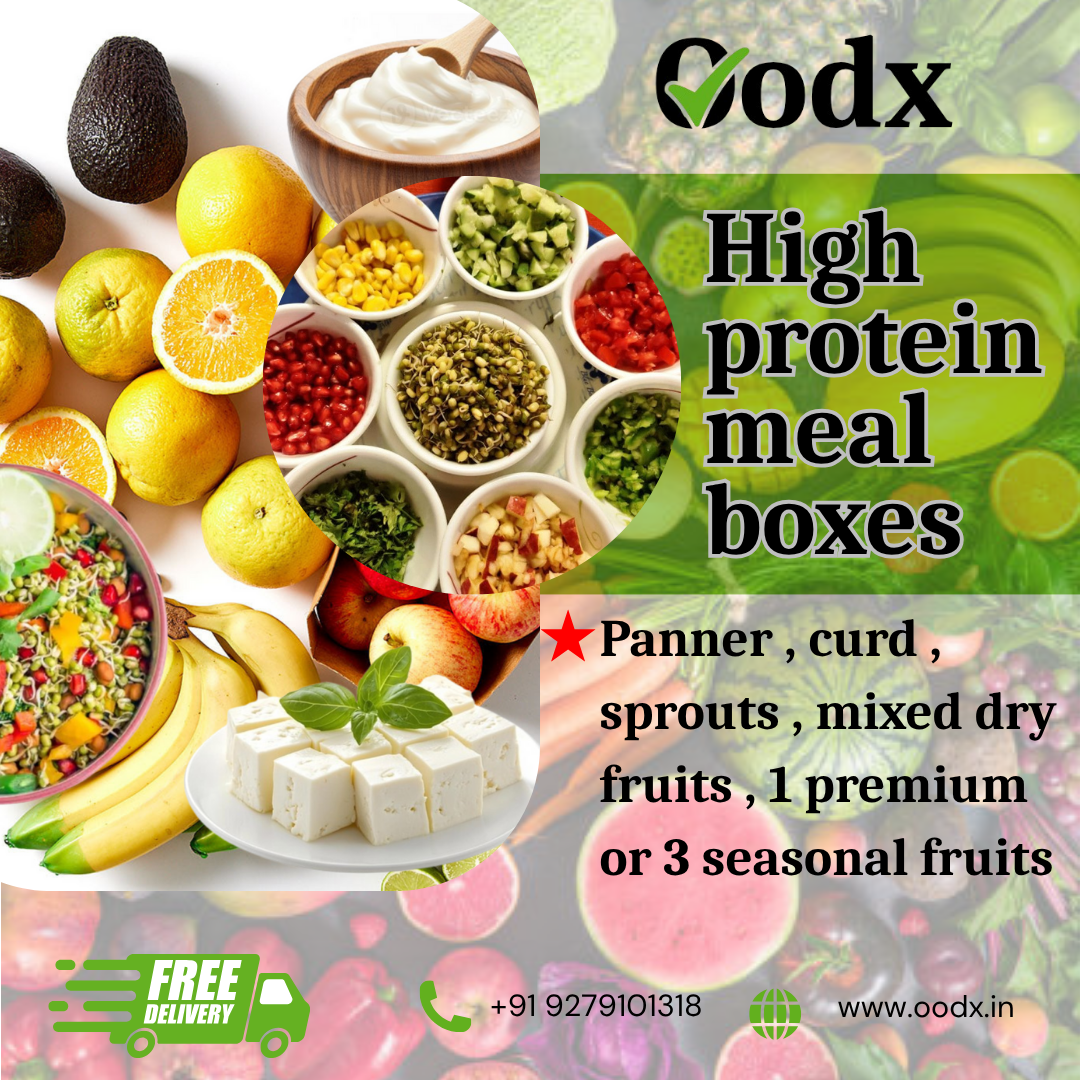
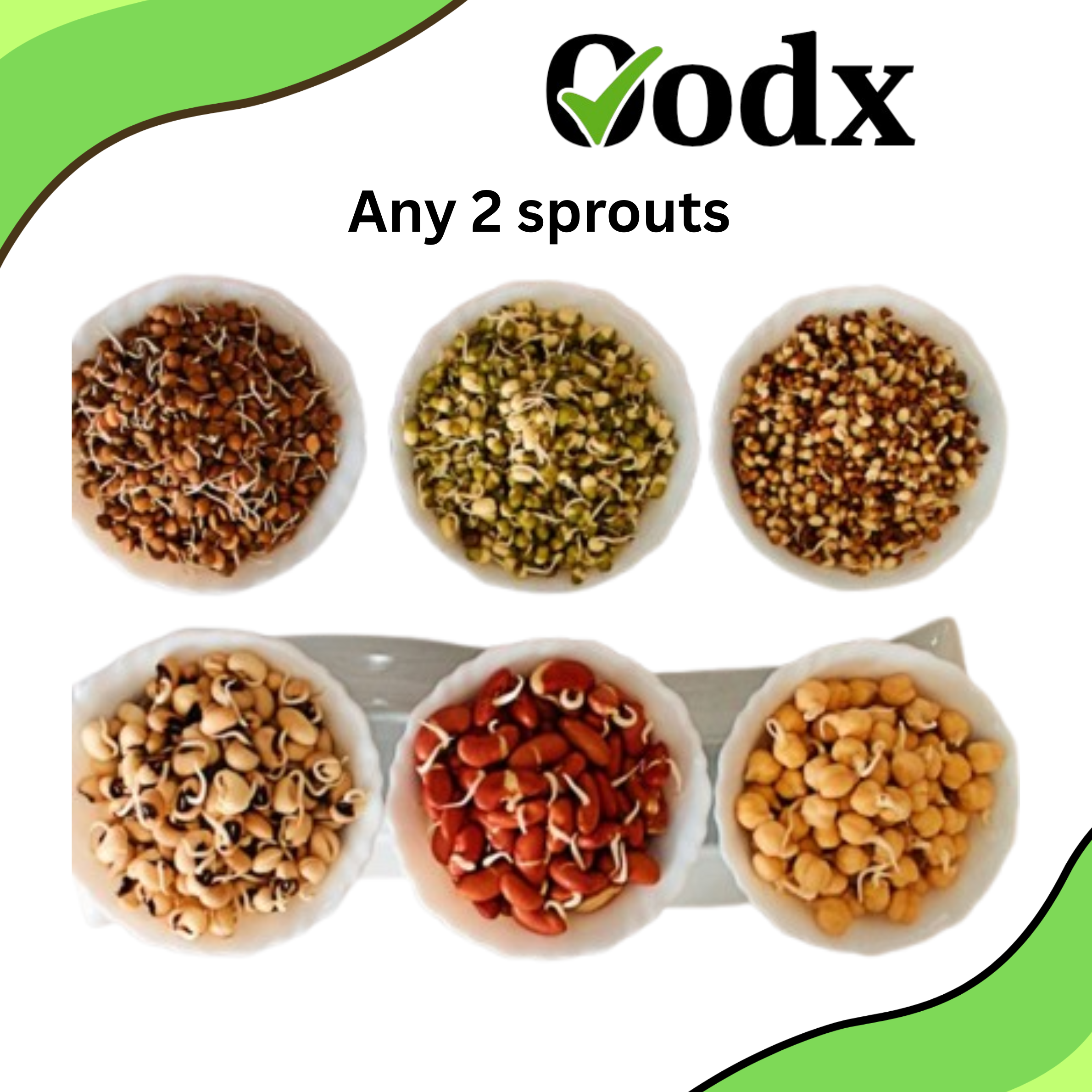
Key aspects of a high-protein diet:
-
-
Increased protein intake:
A high-protein diet involves consuming more protein than the typical recommendation, often exceeding 1.5 grams per kilogram of body weight.
-
-
Focus on protein-rich foods:
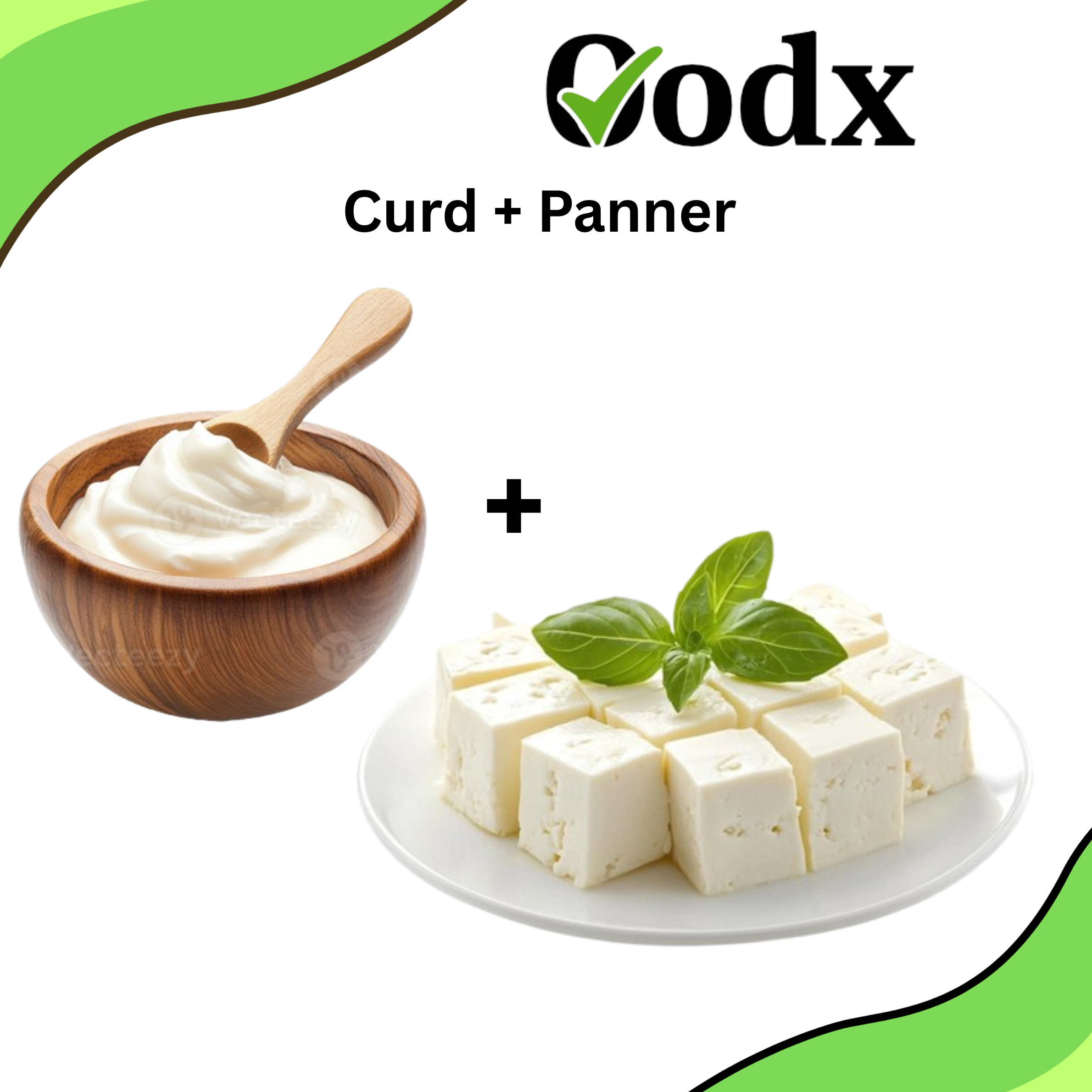
This diet emphasizes protein sources such as lean meats, poultry, fish, eggs, dairy products, legumes, and soy products.
-
Potential benefits:
High-protein diets may aid in weight loss, muscle growth, and improved satiety.
-
Potential drawbacks:
Some high-protein diets may be restrictive in other nutrients like carbohydrates and may be high in saturated fat if not carefully planned.
-
Individualized approach:The optimal amount of protein and the specific foods to include vary based on individual needs, goals, and health status.Important considerations:
-
Choose nutrient-rich sources:
Opt for lean protein sources and avoid excessive consumption of processed meats and foods high in saturated fat.
-
Balance with other nutrients:
Ensure a balanced intake of carbohydrates and healthy fats to support overall health and well-being.
-
Consult with a healthcare professional:It’s advisable to consult with a doctor or registered dietitian before starting a high-protein diet, especially if you have any underlying health conditions.
-
Reviews
There are no reviews yet.